Gumusut-Kakap deepwater oil development
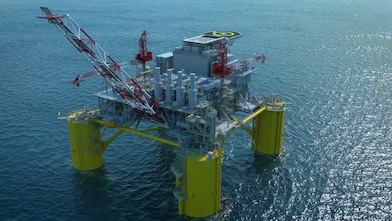
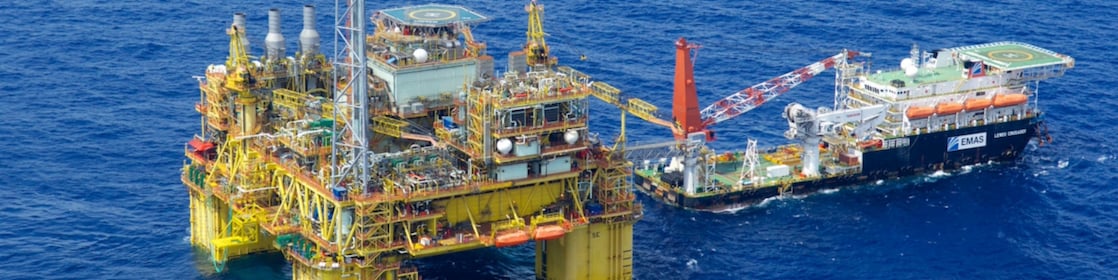
Gumusut-Kakap is Shell’s first deepwater development in Malaysia. Located offshore Sabah in water depths of about 1,200 metres, the development began producing oil in 2014 and uses subsea wells connected to the Gumusut-Kakap semi-submersible floating production system.
Key facts
- Gumusut-Kakap is Shell’s first deepwater project in Malaysia.
- The Gumusut-Kakap development is located offshore Sabah in water depths of about 1,200 metres.
- Gumusut-Kakap began production in 2014 and marked 10 years of operations in 2024.
- Phase 2 of Gumusut-Kakap achieved first oil in August 2019 and Phase 3 achieved first oil in July 2022.
- GKGJE Phase 4 achieved first oil in March 2025. Phase 4 includes three producer wells and one water injection well connected by subsea tie-back to the existing production system.
Production and field development
Gumusut-Kakap began producing oil in 2014. Oil from subsea wells flows to the Gumusut-Kakap semi-submersible floating production system, also known as the GK-Semi FPS. The project has since expanded through additional phases that use existing infrastructure to bring new resources into production.
Milestones
First oil from Phase 4 of the Gumusut-Kakap-Geronggong-Jagus East (GKGJE) development started in March 2025. The development is a subsea tie-back to the existing GK-Semi FPS and straddles the Malaysia-Brunei border. It includes three producer wells and one water injection well. Phase 4 is expected to produce approximately 21,000 barrels of oil equivalent per day on average, stated on a 100% total gross basis.
Previous milestones
- 2014: Gumusut-Kakap began production.
- August 2019: Phase 2 of Gumusut-Kakap achieved first oil after adding four subsea tie-back wells to the GK-Semi FPS.
- July 2022: Phase 3 of Gumusut-Kakap achieved first oil.
- 2024: Gumusut-Kakap marked 10 years of operations.
- March 2025: GKGJE Phase 4 achieved first oil.
Technology enabling deepwater production
Gumusut-Kakap operates in water depths of about 1,200 metres. Its subsea wells are connected to a semi-submersible floating production system, which receives and processes production offshore. Later phases use subsea tie-backs, connecting additional wells and fields to the existing facility.
A producer well brings oil and gas to the production system. A water injection well sends water into the reservoir to help maintain pressure and support production.
Built in Malaysia and supporting local capability
Gumusut-Kakap was built entirely in Malaysia. It enabled Shell to share deepwater expertise, support local companies and contribute to Malaysia’s offshore industry capability. More recent operations contracts have continued to involve Sabahan companies in supporting deepwater activity.
Frequency asked questions (FAQs) about Gumusut-Kakap
What is Gumusut-Kakap?
What is Gumusut-Kakap?
Gumusut-Kakap is Shell’s first deepwater oil development in Malaysia. The project produces oil through subsea wells connected to the Gumusut-Kakap semi-submersible floating production system offshore Sabah.
Where is Gumusut-Kakap located?
Where is Gumusut-Kakap located?
Gumusut-Kakap is located off the coast of Sabah, Malaysia, in water depths of about 1,200 metres.
When did Gumusut-Kakap begin producing oil?
When did Gumusut-Kakap begin producing oil?
Gumusut-Kakap began producing oil in 2014. Phase 2 achieved first oil in August 2019, Phase 3 achieved first oil in July 2022, and GKGJE Phase 4 achieved first oil in March 2025.
What is GKGJE Phase 4?
What is GKGJE Phase 4?
GKGJE Phase 4 is the fourth development phase of the Gumusut-Kakap-Geronggong-Jagus East (GKGJE) development. The phase is a subsea tie-back to the existing Gumusut-Kakap floating production system and includes three producer wells and one water injection well.
How much is GKGJE Phase 4 expected to produce?
How much is GKGJE Phase 4 expected to produce?
Shell expects GKGJE Phase 4 to produce approximately 21,000 barrels of oil equivalent per day on average. This production estimate is stated on a 100% total gross basis.
What is a subsea tie-back?
What is a subsea tie-back?
A subsea tie-back connects wells on the seabed to an existing production facility through subsea pipelines and equipment. This allows production from additional wells or fields to use established infrastructure.
What is the GK-Semi FPS?
What is the GK-Semi FPS?
The GK-Semi FPS is the Gumusut-Kakap semi-submersible floating production system. The facility receives and processes production from subsea wells offshore Sabah.
Who operates Gumusut-Kakap?
Who operates Gumusut-Kakap?
Sabah Shell Petroleum Company Ltd (SSPC), a subsidiary of Shell plc, operates Gumusut-Kakap.